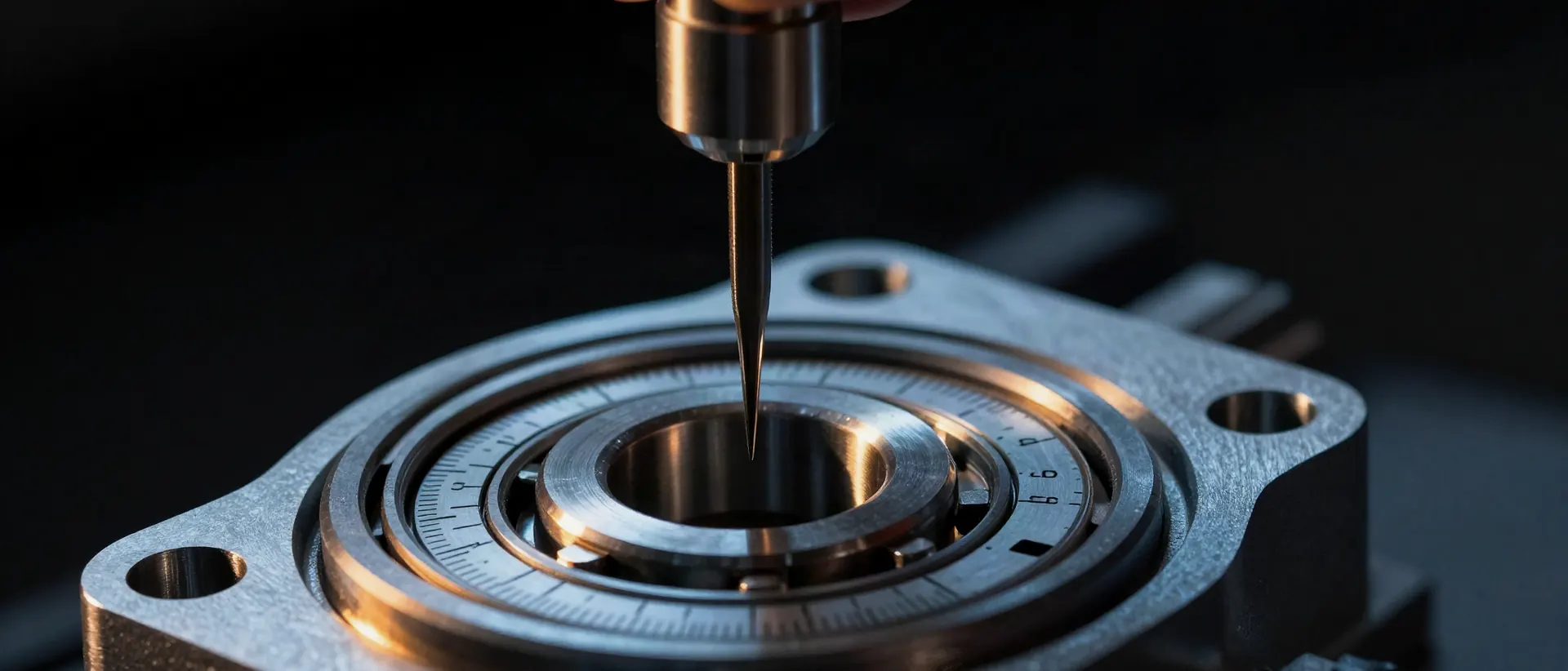
What is checked on the test bench
After every rebuild the gearbox runs on the test bench. This is not a quick spin but a check of the four things that decide whether a gearbox is good:
Shifting
Every gear is shifted — the synchro rings, sliding sleeves, shift forks and dog-tooth clutch bodies that were inspected and reconditioned during the rebuild have to work cleanly in running.Running of the final drive
A ring and pinion with a poor contact pattern howls. That is why the hypoid drive is set to factory specification with original tooling beforehand and the contact pattern is checked — the test bench shows whether the setting is right.Sealing
Shaft seals, covers and housing have to be tight under operating conditions. A gearbox that loses oil shows up here, not in your garage.Noise
Bearings and gear teeth can be heard. Whatever stands out is reworked before packing.
Why every gearbox runs before it leaves
No blind installation
You install a tested gearbox — not an assembled one that runs its first metre in your car.Early fault detection
A final drive with a poor contact pattern shows up on the test bench, not after 500 km.Documentation
The run is part of the photo and measurement documentation of the rebuild, and you get all replaced old parts back.Certainty for customers abroad
Anyone who ships a gearbox from abroad does not want to remove it a second time because of an avoidable defect.
Test bench and set-up belong together
The test-bench run is the last of three steps that go with every final drive here: setting to factory specification with original tooling, checking the contact pattern, running on the test bench. That applies to the Porsche gearbox rebuild as much as to the installation of a newly made final drive from stock or a retrofitted limited-slip differential — every LSD is installed in the gearbox, the final drive is set up again, and then the gearbox runs.
The gearboxes in stock have run as well
The ready-to-install complete gearboxes for the 904 and the 906 are fully assembled, set up and run on the test bench before they go on the shelf. For racing gearboxes that come in for a rebuild between race meetings, inspected gear teeth, correctly set bearing friction torque and the test-bench run are standard as well.
Typical problems this solves
- Gearbox bought as “rebuilt” — and it howls from the first kilometre
- Crunching gears after a rebuild in which shifting was never checked in running
- Installation in tight engine bays is expensive; a second removal because of defects doubles it
- Customers abroad need certainty before the gearbox travels halfway around the world